Spotting trouble before it gets worse
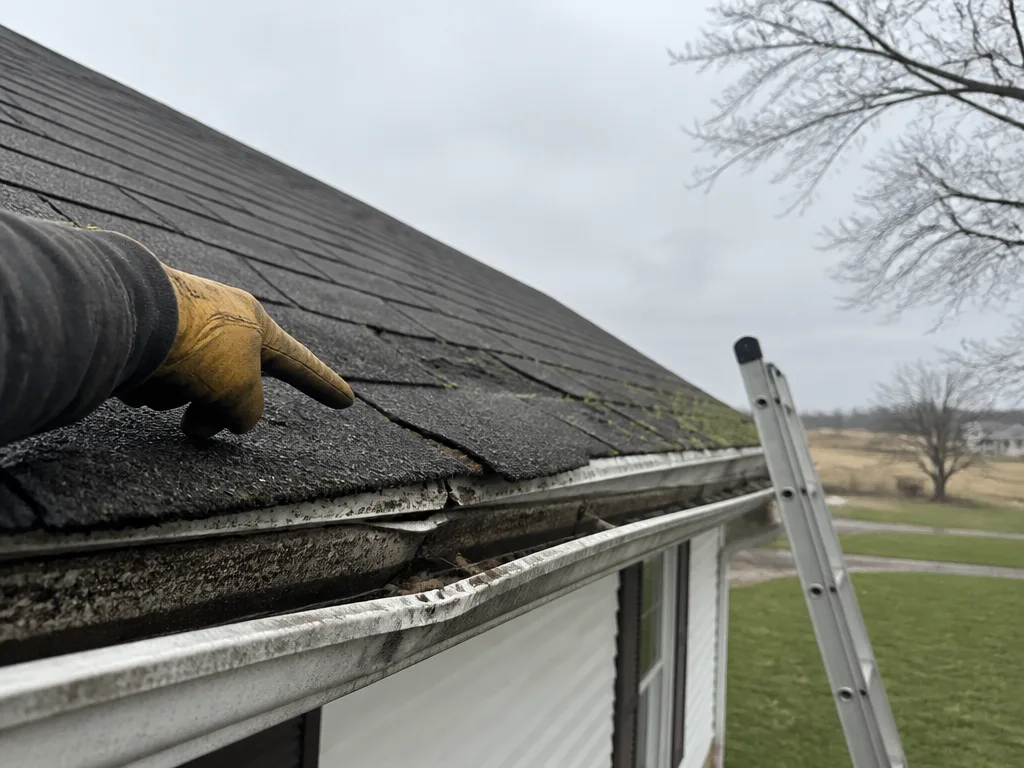
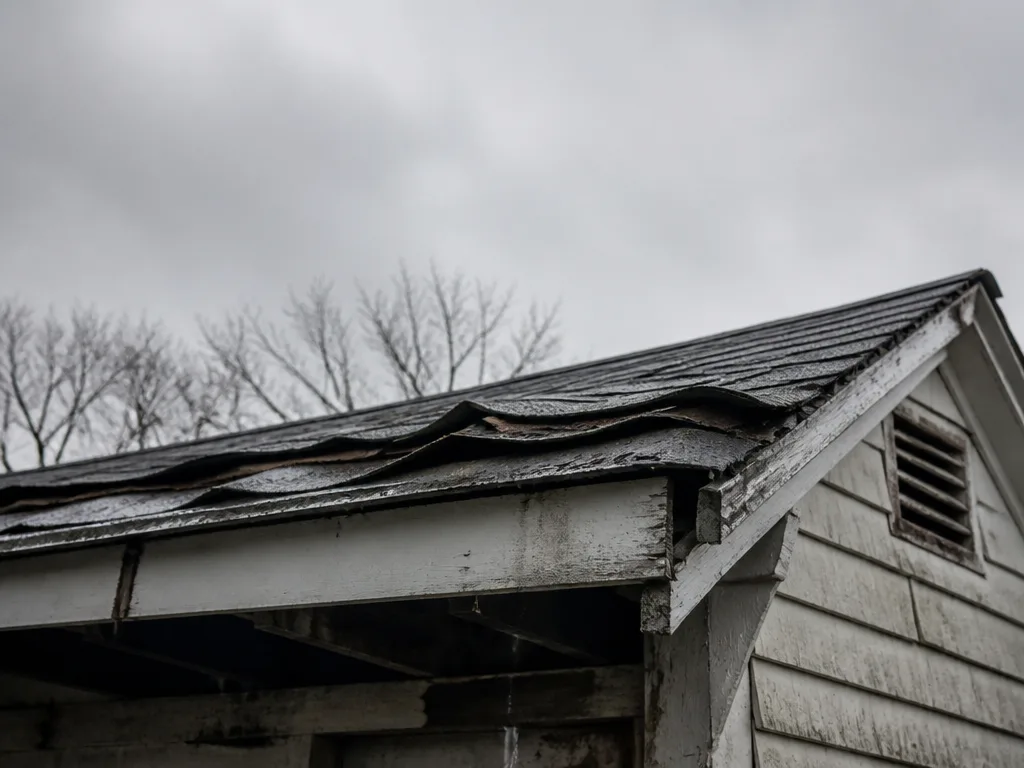
In Iowa, weather swings can stress a roof quickly. A few warning signs show up in ways you can notice from ground level or the attic. Start with the roof itself. Look for loose, curled, or missing shingles after a storm. Shingles can become brittle with Iowa winters, and high winds push them loose. If you see granules in gutters or down the downspout, that can mean the protective layer is wearing thin.
Attic signs are often the first clue that something is off. Check for light filtering through the rafters or wet spots on the underside of the roof sheathing. A musty smell or visible condensation indicates moisture intrusion. In Iowa, that moisture can come from heavy snowmelt or driving rain, then migrate into insulation and framing.
How to tell when a roofer should be called
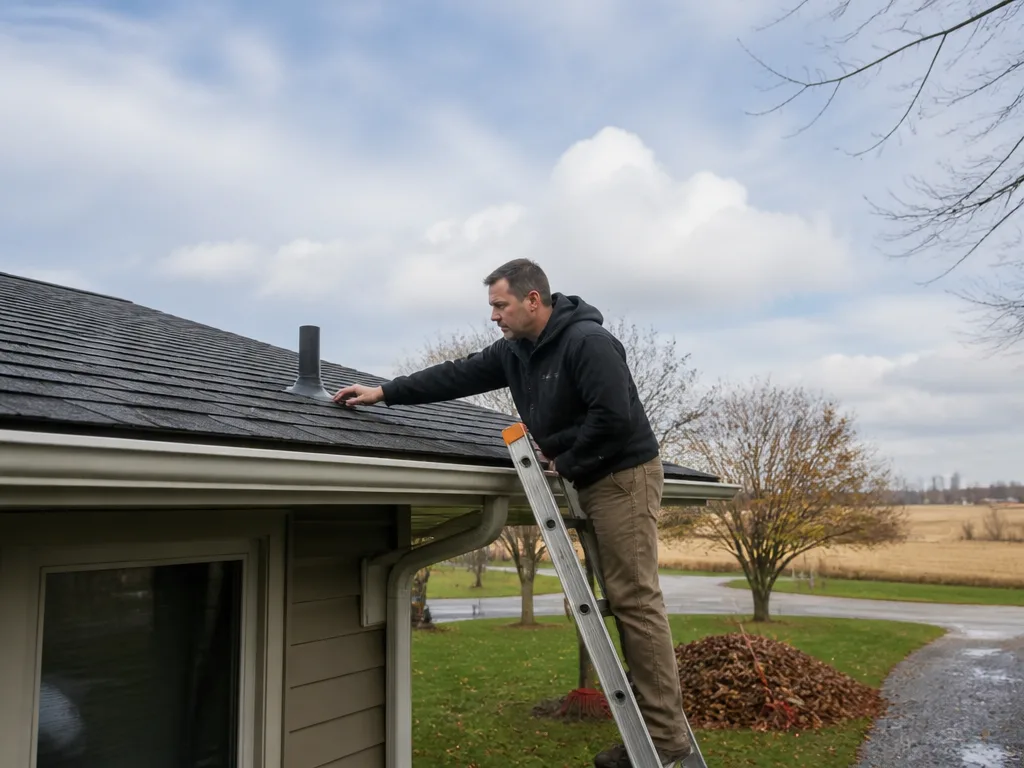
If you notice rapid changes after a wind event, or if you see multiple shingles on the ground, it’s time to bring in a professional. Our team at Iowa Gutter can walk the roof with you, check the flashing around chimneys and vents, and confirm if there’s hidden damage. Don’t wait for a leak to start budgeting for repairs; early detection saves time and money.
When you suspect moisture or see daylight through the attic, that’s a sign to schedule a full inspection. We’ll assess the roof’s age, the condition of underlayment, and whether ventilation is adequate for Iowa seasons. A professional inspection helps you plan around weather patterns rather than reacting to a sudden leak.
What to expect in a typical inspection
During an inspection, our roofers check the entire perimeter and work inward. We document areas of concern with photos and explain how any issues affect the rest of the system. In Iowa, wind-driven debris, hail, and heavy snow loads can stress corners, edges, and valleys. A clear report from Iowa Gutter outlines immediate fixes and longer-term options.
After the assessment, you’ll get practical guidance. We separate essential repairs from optional upgrades and discuss timing based on Iowa weather windows. The goal is to protect your home, not rush a decision. If needed, we can schedule a follow-up survey after a storm to verify there are no new issues.